Kings Cross Removals Recycling and Sustainability
 At Kings Cross Removals, sustainability is built into the way we plan, pack, and move. Our recycling and sustainability approach is designed to reduce waste at every stage of a move, with a clear focus on reuse, responsible sorting, and lower-emission transport. We aim for a minimum 90% recycling and diversion-from-landfill target across suitable moving materials, including cardboard, paper, plastics, wood, metals, and approved reusable packing items. That means we look carefully at what can be repaired, repurposed, donated, or recycled before anything is discarded.
For customers in King’s Cross and the surrounding boroughs, this practical mindset matters. Central London moves often generate mixed waste streams, from old flat-pack furniture and office archive boxes to packaging from appliances and fragile household items. Our team supports a cleaner process by separating materials at source where possible, making it easier for items to enter the correct recycling route. In areas where local boroughs have clear rules for waste separation, we align our process to help ensure cardboard stays with cardboard, soft plastics are not mixed with general waste, and reusable goods are kept apart for donation.
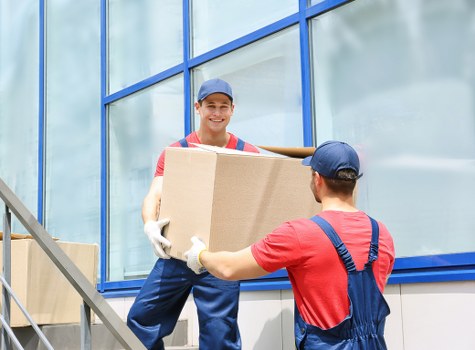 The result is a more responsible Kings Cross removal service that prioritises recycling, reuse, and low-waste handling. Rather than treating every removal as a single waste stream, we assess each load and route it to the most suitable destination, whether that is a local transfer station, a charity partner, or a specialist recycling facility.
One important part of our operation is working with local transfer stations that support lawful, efficient sorting and recovery. These facilities help process common move-related materials such as timber, metal shelving, broken furniture, textiles, and mixed packaging. Using nearby transfer points reduces unnecessary mileage and supports a more efficient carbon profile for each job. It also gives us flexibility to direct items into the right stream quickly, especially when a property clearance produces a variety of materials that require different handling.
We also recognise the importance of borough-level approaches to waste. In and around the King’s Cross area, residents and businesses are increasingly familiar with separating dry mixed recycling, food waste, and residual rubbish. Our King’s Cross removals and recycling process supports that culture by keeping separated materials distinct and by avoiding contamination wherever possible. For example, clean cardboard from moving boxes is kept apart from food-contaminated packaging, while metals and electrical items are diverted to appropriate processing routes when accepted.
 In practical terms, this means a household move can include several different recovery outcomes. Unwanted but usable items may be passed to charities, damaged wood may be directed to recovery streams, and recyclable packaging may be baled or sorted for onward processing. The aim is not only to reduce waste but to create a system that is predictable, compliant, and genuinely useful to the local environment.
Our partnerships with charities are a key part of the sustainability model. Where suitable, we prioritise donation over disposal for furniture, homeware, books, clothes, office equipment, and other reusable goods. These partnerships help extend the life of items that still have value and reduce the demand for new resources. They also support community organisations that can redistribute goods to people who need them. When a move includes surplus items in good condition, we assess whether they can be cleaned, catalogued, and transferred for charitable reuse rather than sent for recycling or waste processing.
 Another important element is transport. Our low-carbon vans are chosen to reduce the environmental impact of urban removals, especially on busy routes where stop-start driving can otherwise increase emissions. By using more efficient vehicles and planning routes carefully, we cut fuel use and improve the sustainability of each journey. This matters in a dense area like King’s Cross, where a short move can still involve multiple trips through heavily trafficked streets, loading bays, and residential zones. Efficient routing and modern van technology help us keep emissions lower without compromising service quality.
We also take a joined-up approach to waste prevention before the move even begins. Packing materials are selected with reuse and recovery in mind, and where possible we encourage the use of recyclable blankets, reusable crates, and minimal single-use wrapping. This is especially relevant for office relocations and apartment moves, where significant volumes of cardboard and protective materials can build up quickly. By paying attention to the kinds of materials used, Kings Cross Removals helps reduce the overall volume of waste generated.
 Sustainability is not just about what happens after a property is cleared; it is about the decisions made throughout the move. Our team looks for opportunities to reuse, recycle, and donate at every stage, while keeping a clear record of materials sent to transfer stations or recovery partners. This structured approach supports accountability and helps us work toward our recycling percentage target with consistency.
As local expectations around environmental responsibility continue to grow, Kings Cross removals should reflect the needs of the area: thoughtful separation of waste, reliable onward processing, and a strong preference for low-impact transport. Whether we are moving a flat, clearing an office, or handling a mixed domestic job, our focus remains the same: reduce landfill, increase reuse, and support a cleaner King’s Cross. For customers seeking a removals service that values efficiency and environmental care in equal measure, sustainability is part of the everyday standard, not an optional extra.