Health and Safety Policy for Kings Cross Removals
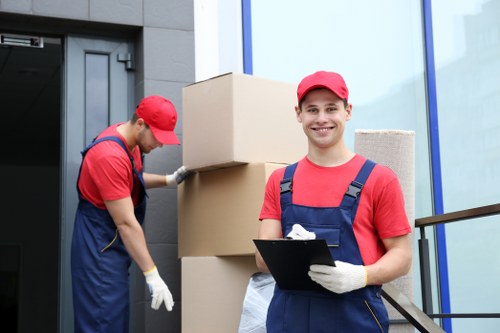 At Kings Cross Removals, health and safety is a core part of how we plan, prepare, and complete every move. We believe that a safe working environment protects our team, our customers, and the belongings entrusted to us. This health and safety policy sets out the standards we follow to reduce risks, prevent injury, and maintain a professional service throughout all removal activities.
Our Kings Cross removals operations involve manual handling, loading, transporting, and positioning items in a variety of properties and access conditions. Because every move is different, we assess risk before work begins and adapt our approach to suit the task. We aim to keep hazards under control through careful planning, trained staff, suitable equipment, and clear communication.
Our Commitment to Safety
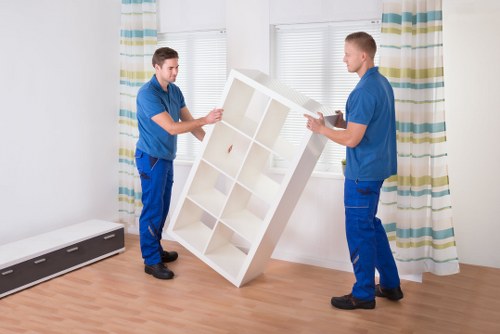 We are committed to complying with all relevant health and safety duties and to following recognised best practice in the removals industry. Safety is not treated as a separate part of our work; it is built into every stage of the job. From the first assessment to the final placement of items, the welfare of everyone involved remains our priority.
Risk Assessment and Planning
Before any removal begins, we consider the specific conditions of the property, the size and weight of items, access routes, and any potential obstacles. This helps our team identify risks such as slips, trips, falls, strains, or damage caused by unsuitable handling. Where needed, we adjust the method of work, the number of staff assigned, or the equipment used.
Our health and safety policy also requires us to plan for emergency situations, poor weather, difficult parking, restricted access, and fragile items. By preparing in advance, we reduce delays and avoid unnecessary pressure on staff. Good planning supports both safe working practices and efficient removals services.
 We expect every team member to remain alert to changing conditions during the move. If a risk becomes apparent, work is paused until the issue has been managed appropriately. This flexible approach helps us maintain control and keeps the moving process as safe as possible.
Manual Handling and Team Safety
Manual handling is one of the main safety concerns in removals, so we place strong emphasis on lifting technique, posture, and teamwork. Staff are instructed to lift with care, use mechanical aids when appropriate, and avoid moving loads that are too heavy or awkward without support. Objects with unusual shapes, sharp edges, or unstable contents are handled with extra caution.
Our teams are trained to work together when carrying large furniture, appliances, and boxes. Communication is essential, especially on stairways, in narrow hallways, and in properties with limited access. We promote clear verbal signals and coordinated movement to lower the risk of accidents and strain injuries.
We also encourage regular breaks during physically demanding jobs. Fatigue can increase the chance of errors, so we monitor workloads and ensure staff have the opportunity to work safely and steadily. In this way, our Kings Cross removals service remains dependable without compromising wellbeing.
Equipment, Vehicles, and Protective Measures
All equipment used by Kings Cross Removals is selected and maintained to support safe operations. This includes trolleys, straps, blankets, gloves, and other moving aids that help protect both people and property. Equipment is checked regularly for wear, damage, or defects, and anything unfit for use is removed from service.
Our vehicles are loaded carefully to keep goods secure in transit and to avoid shifting that could create a hazard. Loads are distributed sensibly, and items are fastened where necessary. Drivers and crew members are expected to follow safe loading and unloading practices at all times, reducing the risk of injury or damage during the journey.
Personal protective equipment is used when required by the task. This may include gloves, supportive footwear, or other practical safety items. We also maintain a tidy work area, since good housekeeping helps prevent trips, falls, and avoidable obstructions. Safety controls are most effective when every team member follows them consistently.
Training, Responsibility, and Communication
We believe that a strong safety culture depends on training and accountability. Staff receive instruction on safe lifting, hazard awareness, proper equipment use, and the procedures they should follow when risks are identified. Training is refreshed when needed to keep everyone informed and confident in their responsibilities.
Managers and team leaders are responsible for setting clear expectations and monitoring standards on site. However, safety is a shared responsibility, and every employee must take reasonable care for their own safety and that of others. If anyone notices a concern, they are expected to report it promptly so action can be taken.
Clear communication is essential throughout our removals work. We encourage questions, confirm instructions before lifting or moving items, and ensure everyone understands the plan for the day. This helps avoid misunderstandings and supports smooth, safe coordination between crew members and customers.
Review and Continuous Improvement
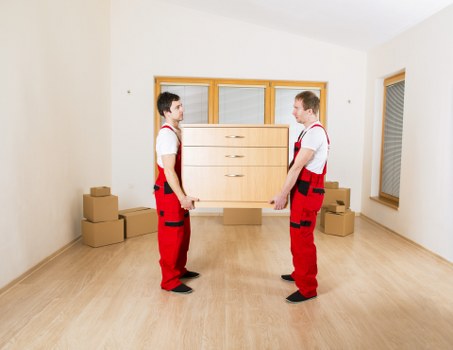 This policy is reviewed regularly to ensure it remains effective, practical, and aligned with current safety expectations. We look at incidents, near misses, and operational challenges to identify improvements. Where changes are needed, we update our processes and reinforce good practice with the team.
Our aim is to deliver a removals service that is efficient, respectful, and above all safe. By maintaining high standards in planning, handling, transport, and communication, Kings Cross Removals works to protect people and property on every job. Safety is not a one-time measure; it is an ongoing commitment embedded in the way we operate.
 Every move matters, and every safe decision contributes to a better outcome. Through care, preparation, and professionalism, our health and safety policy supports reliable service while helping reduce risk across all stages of the removals process.